
NRRI and partners are using small-diameter balsam fir to engineer high-performance mass timber panels. By thermally modifying and laminating low-value wood, researchers are creating durable, moisture-resistant building materials.

A free, web-based interactive mapping and spatial analysis tool for natural resource planning, management, and research in Minnesota.

This project assesses which habitats non-native mystery snails prefer to determine if they are a threat to wild rice. It will also evaluate the success of tribal-led efforts to remove mystery snails from lakes.

Non-native, invasive crack willow trees have invaded miles of stream banks around Duluth. Confounding decisions about control, these trees may have both positive and negative effects on stream ecosystems.

Investigating bobcat and fisher habitat use, diets, and activity patterns to understand how changing forests and bobcat predation are impacting fisher populations.

This project will demonstrate the feasibility of the short-rotation woody plant-based phytoremediation to capture sulfate from lake water and manage water level by utilizing hybrid poplar.

Evaluating balsam fir byproducts from forest fuel reduction as a biochar source to transform toxic coal ash sludge into a stable material for permanent storage.

A study of habitat and survival rates of species in decline to inform forest management practices in Minnesota.

Use a combination of wildlife, vegetation, and hydrology measurements to determine the impacts of logging on peatland forests.
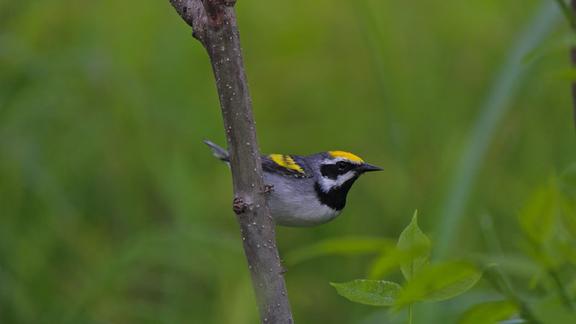
Documenting long-term population trends of breeding forest birds in Minnesota's Chippewa and Superior National Forests.

The ForCAST web tool provides forestry professionals and land managers an opportunity to evaluate how a changing climate and changing markets may affect Minnesota’s forests and the ecosystem services that they provide.

The Minnesota Fisher Den Box Project is focused on evaluating an emerging habitat management tool to address the declining MN fisher population.

A wildlife directory of Minnesota's carnivore species – from the tiny least weasel to the black bear.

Demonstration of a Thermally Modified Eastern Larch Boardwalk to Catalyze New Markets for Low-value Timber.

The Minnesota Breeding Bird Atlas documents the distribution of every breeding bird species in Minnesota and provides a solid foundation for future conservation efforts.